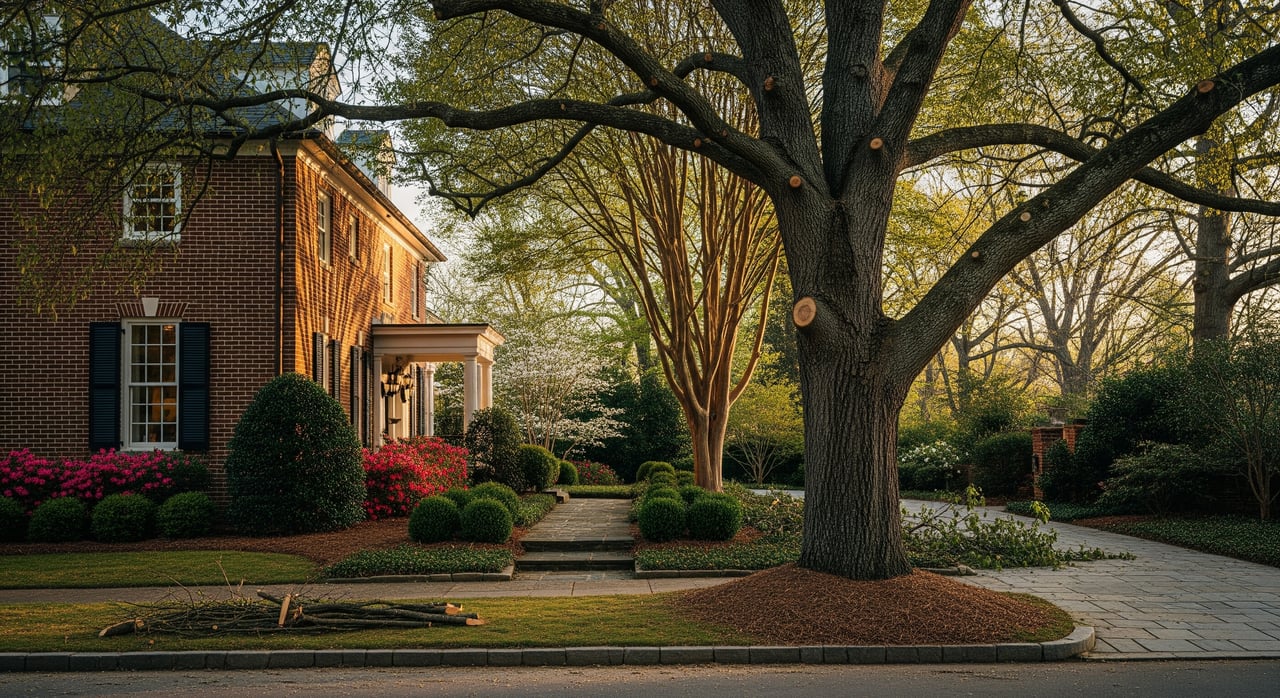
Thinking about trimming or removing a tree on Greenville’s Eastside? Before a crew shows up, a few rules can save you time, money, and stress. Whether you live inside the City of Greenville or in unincorporated Greenville County, permits, HOA approvals, and timing all matter. In this guide, you’ll learn what applies to your property, when to schedule work, and how to hire the right pro. Let’s dive in.
Check city vs. county first
Your first step is to confirm whether your property is inside the City of Greenville limits or in unincorporated Greenville County. City and County rules are different, so this drives everything else. The City provides tree ordinance details and contact info on its Landscaping & Trees page, which also points to maps and tools you can use to confirm jurisdiction. Review the City resources on tree requirements and forms on the City’s Landscaping & Trees page for authoritative guidance.
Inside Greenville city limits
If your home is in the City, the updated tree protection ordinance may apply, especially for properties purchased after June 30, 2021. The City regulates “heritage” trees, which generally include trees over 20 inches in diameter in buffers or setbacks, or over 40 inches anywhere on a lot. For protected trees, you must submit a Tree Disturbance application before pruning, removing, or encroaching on the root zone. If a healthy heritage tree is removed, you should expect mitigation, such as replacing caliper inches or paying a fee in lieu. For definitions, current fee tables, and contacts, review the City’s guidance on the Landscaping & Trees page.
In unincorporated Greenville County
If your Eastside address is in the County rather than the City, the rules focus more on development projects than on typical single-family lots. The County ordinance includes tree protection plans and density credits for developments and exempts many standalone tree removals on individual single-family lots. That said, work that affects public rights-of-way still requires approval. If your project touches a road shoulder, drainage, or the planting strip, you likely need a County Encroachment Permit. For the development-focused standards, see the County’s Code of Ordinances. For right-of-way work, review the County Encroachment Permit process.
HOA rules: check before you cut
If you live in an HOA community, your covenants may require written approval for tree removal, major pruning, or replacement. HOA rules can be stricter than local law, and you must comply with both. Failing to get approval can lead to fines or a requirement to replant. For education and mediation resources if a dispute arises, consult the South Carolina Department of Consumer Affairs’ HOA guidance.
Choose the right timing
Most major pruning for shade trees is best during dormancy from late winter into early spring. This timing makes branch structure easier to see, reduces pest and disease pressure, and supports proper wound closure. For species-specific timing, review recommendations from Clemson Cooperative Extension.
Storm season in South Carolina runs June through November. Do structural pruning and hazard mitigation before storms arrive. After a storm, wait until conditions stabilize and the soil dries before heavy equipment rolls in. Clemson experts share storm-readiness tips in this hurricane season preparation guide.
If you have ash trees, be aware that emerald ash borer has been detected in and around Greenville County. Management and wood handling can affect your timing and disposal plan. Learn about identification and treatment options from the South Carolina Forestry Commission’s EAB information.
Rights-of-way, utilities, and safety
Work in the public right-of-way, like street tree removal or planting in the verge, often requires permission from the City or a County Encroachment Permit. Always confirm before starting work that touches the road, sidewalk, or drainage.
Call 811 at least three business days before any digging, stump grinding, or planting to have underground utilities marked. The state emphasizes this safety step in the Attorney General’s reminder to call before you dig. For trees close to overhead power lines, contact your electric provider to coordinate safe clearance trimming.
Respect property lines. South Carolina law imposes serious penalties for cutting trees on another person’s land without permission, including treble damages in timber trespass cases. Review relevant statutes through the state code archive, and talk with neighbors before work near boundaries.
Hire the right pro
For significant pruning, removals, or hazard assessments, hire an ISA Certified Arborist and a reputable tree company. A qualified arborist will recommend proper cuts, species-specific timing, and safe methods. Verify insurance coverage, ask for references, and get a written estimate that spells out scope, cleanup, and permit handling. You can search for credentialed experts through ISA’s Find a Certified Arborist tool.
Quick Eastside checklist
- Confirm jurisdiction: City of Greenville or unincorporated Greenville County.
- If in the City, review heritage tree thresholds and use the Tree Disturbance application for protected trees.
- If in the County, check for right-of-way impacts and secure an Encroachment Permit if needed.
- Review your HOA covenants and submit any required approvals before scheduling work.
- Plan timing: late winter to early spring for most major pruning; prepare before storm season.
- Call 811 before digging; coordinate with your electric utility for trees near power lines.
- Get 2–3 bids from insured companies, preferably led by an ISA Certified Arborist.
- If removing a protected tree in the City, plan for mitigation or fees as outlined in City materials.
Ready to line up tree work or planning improvements before a sale? If you want a second set of eyes on what matters for value, compliance, and curb appeal, reach out. You can always connect with Patrick Toates for local, trusted guidance.
FAQs
Do I need a tree permit in Greenville’s Eastside?
- First confirm if your property is in the City or County; inside City limits, protected “heritage” trees often require a Tree Disturbance application, while County rules focus more on development sites.
How do I know if my tree is protected under City rules?
- In the City of Greenville, trees over 20 inches in buffers or setbacks, or over 40 inches anywhere on the lot, are generally treated as heritage trees that trigger review and mitigation.
Do HOAs require approval for tree work?
- Many HOAs require written approval for removals or major pruning; check your covenants and follow the application process to avoid fines or required replanting.
When is the best time to prune trees in Greenville?
- For most shade trees, late winter to early spring is ideal for major pruning; avoid heavy cuts in late summer or fall and follow species-specific guidance.
Who should I call before digging for stump removal or planting?
- Call 811 at least three business days before digging so utilities can be marked, and contact your electric provider for any work near overhead lines.
What should I look for when hiring a tree company?
- Choose an ISA Certified Arborist, verify insurance, get written estimates, and confirm who will handle any required permits and mitigation.