If you want a home in Downtown Greenville, the condo versus townhome decision can feel simple at first and surprisingly complicated once you start touring. Both can put you close to Main Street, dining, events, and a walkable lifestyle, but they often differ in ownership structure, maintenance, parking, outdoor space, and monthly costs. The good news is that once you know what to compare, the choice gets much clearer. Let’s dive in.
Start With the Documents
In Downtown Greenville, the most important difference is not always the marketing label. In South Carolina, condo ownership is governed by the Horizontal Property Act, which allows individual units to be separately owned while co-owners share common elements and contribute to common expenses.
That means when you buy a condo, you are typically buying your unit plus an interest in shared areas. The master deed can also include lease restrictions, which matters if you may want to rent the property later.
With townhomes, ownership can vary by community. In many HOA-run neighborhoods, owners may own both the home and the lot, while the HOA manages common areas, but the exact setup depends on the recorded declaration.
The key takeaway: in Downtown Greenville, you should read the declaration, master deed, and HOA documents carefully. A condo and a townhome can sometimes look closer on paper than you might expect.
Compare Downtown Greenville Price Ranges
Downtown Greenville is not one flat market. Realtor.com’s May 2026 neighborhood snapshot showed a median listing price of $749,000 and a median sold price of $545,000, with subareas showing very different price points.
For example, West End was listed at $704,500, East Downtown at $574,950, and the McBee Avenue Area at $1,174,500. That range tells you right away that location within downtown can shape your options just as much as property type.
Current condo inventory also spans a wide price range. Examples include units listed around $309,500 and $330,000, while higher-end options reach $955,000 and new-construction units have been listed from $1.6 million to $1.675 million.
Townhomes in the downtown core often start higher than buyers expect. Active examples include properties at $600,000, $639,500, and $999,000, and one 2015 townhome on N Markley Street last sold for $1.25 million.
Understand the Typical Physical Layout
In Downtown Greenville, condos and townhomes usually live very differently day to day. Condo listings are most often unit-style homes inside larger downtown buildings.
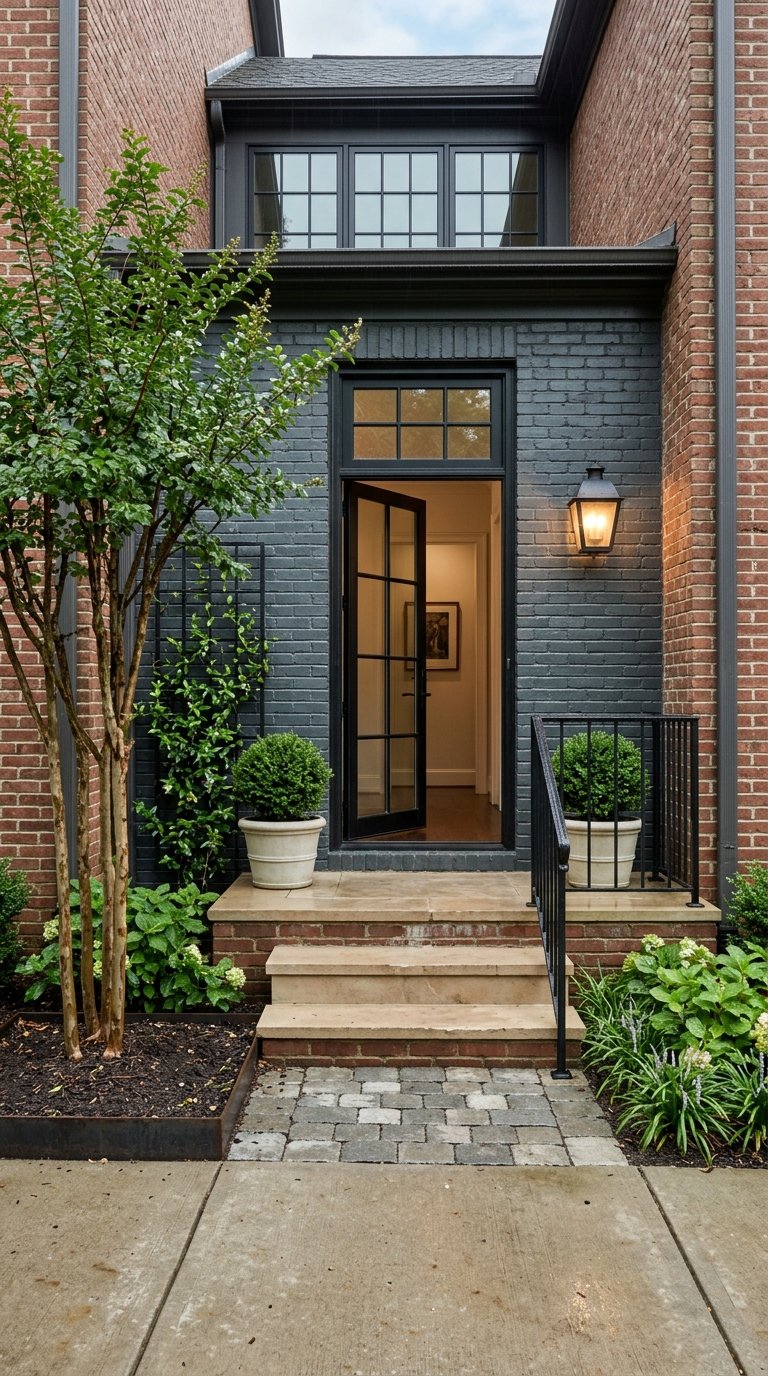
Townhomes tend to be 2- to 3-story attached homes on small lots or infill streets. That often means more vertical living, more separation between living and sleeping spaces, and a more house-like layout.
If you prefer a single-level or building-based lifestyle, a condo may feel more natural. If you want the feel of an attached home with a bit more privacy and square footage, a townhome may fit better.
Look Closely at HOA Fees
Monthly HOA fees matter with both property types, and they deserve a closer look than the number alone. HOA fees can cover landscaping, routine maintenance, shared amenities, common areas, reserves, and sometimes special assessments.
In South Carolina condos, co-owners are also required to contribute their share of administration, maintenance, and repair of common elements. So the fee is not just a convenience charge. It is part of how the property is operated and maintained.
The important part is this: the label does not tell you what is included. You need to compare line by line.
Here are real downtown examples from current listings:
- A condo at 400 N Main includes common-area utilities, exterior maintenance, lawn maintenance, street lights, trash service, parking, pet restrictions, and yard irrigation.
- A townhome at 10 Hub includes exterior maintenance, insurance, street lights, trash, a termite contract, and pet restrictions.
- A townhome at 611 N Main includes exterior maintenance, lawn maintenance, pest control, street lights, trash service, and yard irrigation.
This is why two homes with similar monthly dues can still offer very different value. One may include more building-related costs, while another may leave more responsibility with you.
Think About Maintenance and Your Lifestyle
If you want a lower-maintenance, lock-and-leave lifestyle, condos often make strong sense downtown. Shared building systems and common-area maintenance can reduce the number of property tasks you need to manage personally.
Townhomes can still be low-maintenance, but they often come with a little more individual responsibility depending on the community documents. In some cases, exterior items may still be covered by the HOA. In others, certain repairs or replacements may fall more directly on the owner.
This is one of the best questions to ask before you buy: who maintains the roof, exterior walls, windows, decks, and landscaping? Getting that answer early can help you avoid surprises later.
Parking Is a Real Downtown Decision
Parking can be a deciding factor in Downtown Greenville. The City of Greenville says downtown has more than 8,000 parking spaces, including 800 free on-street spaces and 18 city garages and lots. Monthly parking passes are available through the city, depending on space availability.
That said, your home’s built-in parking setup still matters a lot. A condo may offer one garage space, assigned parking, or a combination of both, while a townhome may come with an attached two-car garage.
For example:
- The condo at 400 N Main has one attached garage space plus assigned parking.
- The townhome at 10 Hub has a 2-car attached garage.
- The townhome at 611 N Main has a 2-car attached garage.
- The townhome at 204 Butler has two assigned parking spaces.
If you have two vehicles, expect frequent guests, or want storage beyond your living area, parking deserves a top spot on your checklist. You should also confirm whether parking is deeded, assigned, or rented separately.
Outdoor Space Often Feels Different
Outdoor space is another area where condos and townhomes can differ in practice. Townhomes often offer a more private outdoor footprint, even if the lot is small.
Downtown condos can still provide useful outdoor living, but it may be a balcony, patio, porch, or shared amenity space rather than a more private yard-like setup. That can be perfect for some buyers and limiting for others.
Examples from downtown listings show the range:
- The condo at 400 N Main has a balcony, patio, porch, and a shared outdoor patio and grilling area.
- The townhome at 10 Hub has a patio.
- The townhome at 204 Butler has a patio and porch.
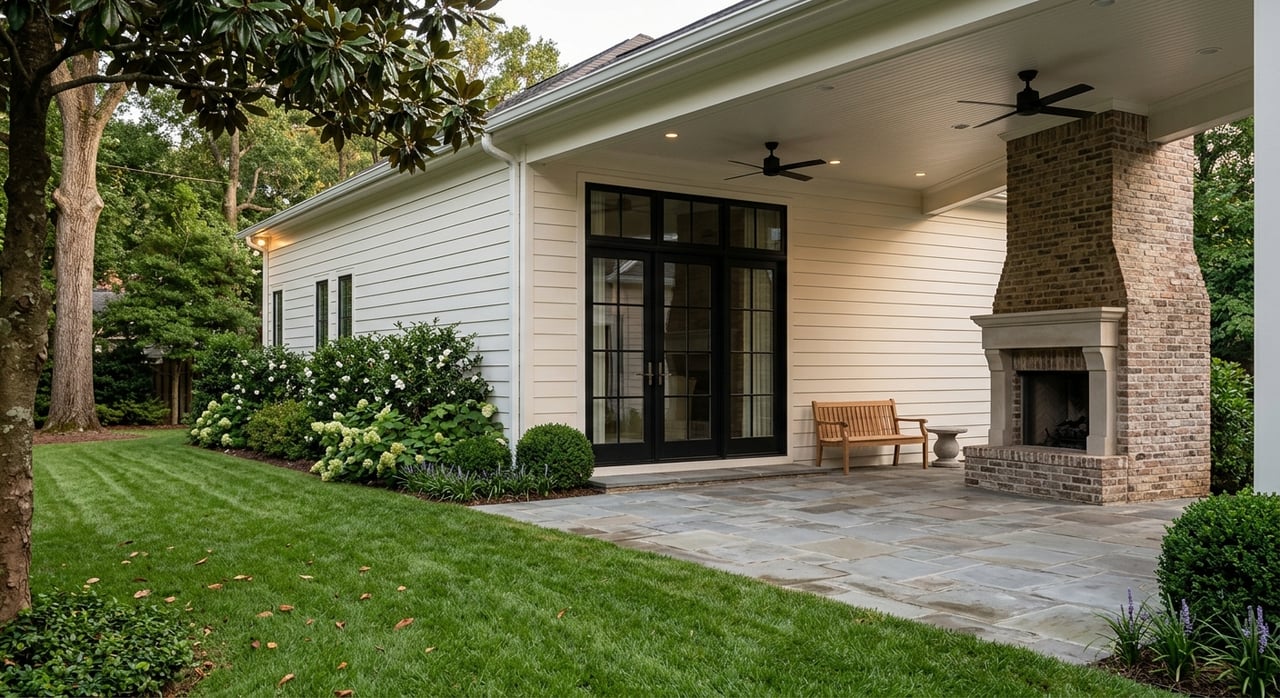
- The townhome at 611 N Main has a deck and a small lot.
If outdoor living is part of your daily routine, think about how you will actually use the space. Morning coffee, pets, container gardening, and entertaining can all point you toward a different choice.
Condo Financing Can Add One More Step
Financing is not always the same for condos and townhomes. Fannie Mae says lenders must determine whether a condo project meets eligibility requirements before delivering a loan secured by a condo unit, and attached condo units in new or newly converted projects may require a full review or PERS.
The CFPB also notes that lenders can charge slightly more for loans used to buy a condo. That does not mean condo financing is a problem. It simply means there can be an extra review layer tied to the project itself, not just your personal finances.
If you are leaning condo, ask your lender early whether the building may require additional review. That can help you plan timelines and avoid last-minute stress.
Rental Rules Matter More Than You Think
If you may rent the property later, even a few years from now, check the leasing rules before you commit. South Carolina’s Horizontal Property Act allows condo master deeds to include leasing restrictions or limits.
HOA rules can also vary widely and may address leasing, owner-occupancy standards, parking, pets, exterior changes, and more. A property that works well for you today may feel less flexible later if the rules are tighter than expected.
Before buying, ask:
- Are rentals permitted?
- Are there lease caps or waiting periods?
- Are there owner-occupancy requirements?
- Does the project have any approval standards that could affect future financing or resale?
These questions are especially important if you are buying your first downtown home, relocating, or thinking ahead to future lifestyle changes.
Which Option Fits You Best?
For many Downtown Greenville buyers, the best choice comes down to how you want to live, not just what you want to own. A condo often works well if you want lower-maintenance living, building-style amenities, and a simpler lock-and-leave setup.
A townhome often works well if you want more square footage, an attached garage, and some private outdoor space while staying close to the urban core. Neither is automatically better. The better fit is the one that matches your routine, budget, and long-term plans.
A simple way to decide is to compare each option across the same five categories:
- Total monthly cost, including HOA fees
- Maintenance responsibilities
- Parking setup
- Outdoor space
- Rental flexibility
If you compare those items side by side, the right choice usually starts to stand out.
If you are weighing downtown condos against townhomes and want local guidance that feels clear and practical, Patrick Toates would be glad to help you compare options and find the fit that works best for your lifestyle.
FAQs
What is the main difference between a downtown Greenville condo and townhome?
- The main difference often comes down to ownership structure, shared elements, maintenance responsibilities, and layout, and the recorded community documents matter more than the label alone.
Are downtown Greenville townhomes always more expensive than condos?
- No. Downtown Greenville condos and townhomes both span wide price ranges, but current examples show many townhomes in the downtown core listed at higher price points than many condo options.
Do downtown Greenville condos always have higher HOA fees than townhomes?
- Not necessarily. HOA fees vary by community and may cover different items such as exterior maintenance, utilities, insurance, landscaping, trash, reserves, and other shared costs.
How does parking work for downtown Greenville condos and townhomes?
- Parking depends on the property and community. It may be attached garage parking, assigned spaces, or other arrangements, so you should confirm whether parking is deeded, assigned, or rented separately.
Can you rent out a downtown Greenville condo or townhome later?
- Maybe, but you need to verify the community rules first because leasing restrictions, lease caps, or owner-occupancy requirements may apply.
Is financing different for a downtown Greenville condo?
- Yes, it can be. Condo financing may require the lender to review the project’s eligibility, which can add another step compared with some other property types.