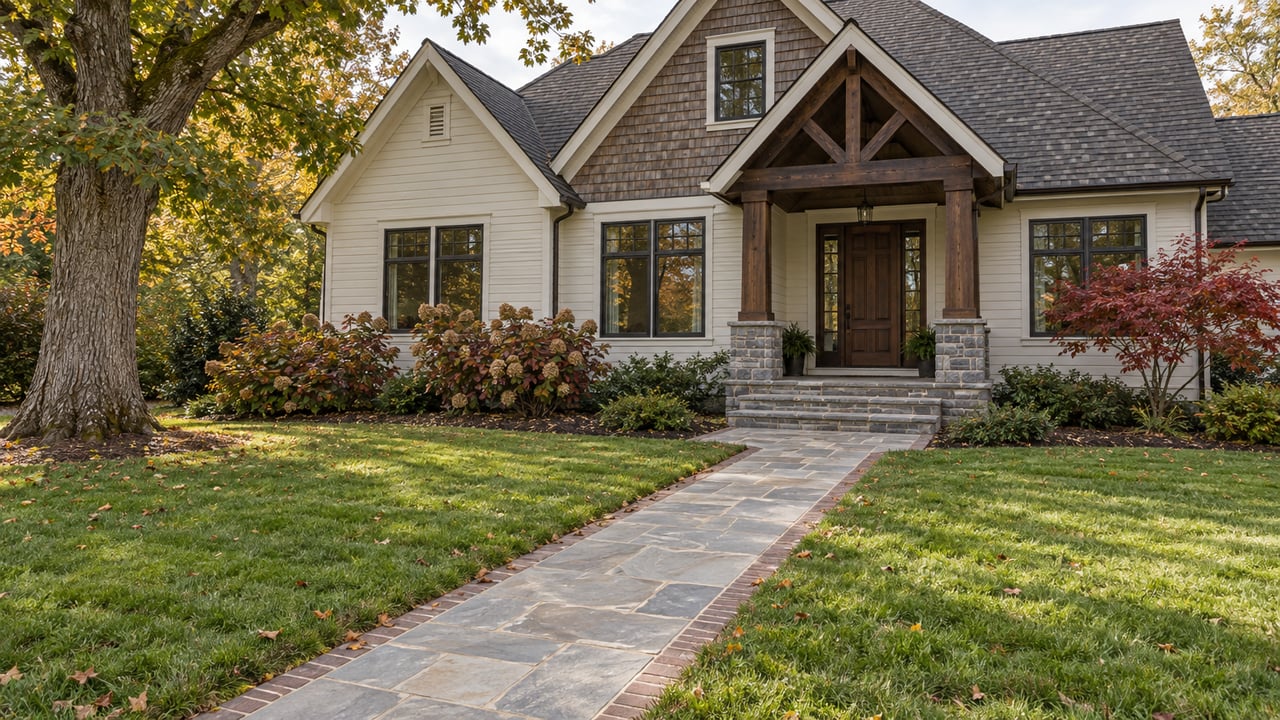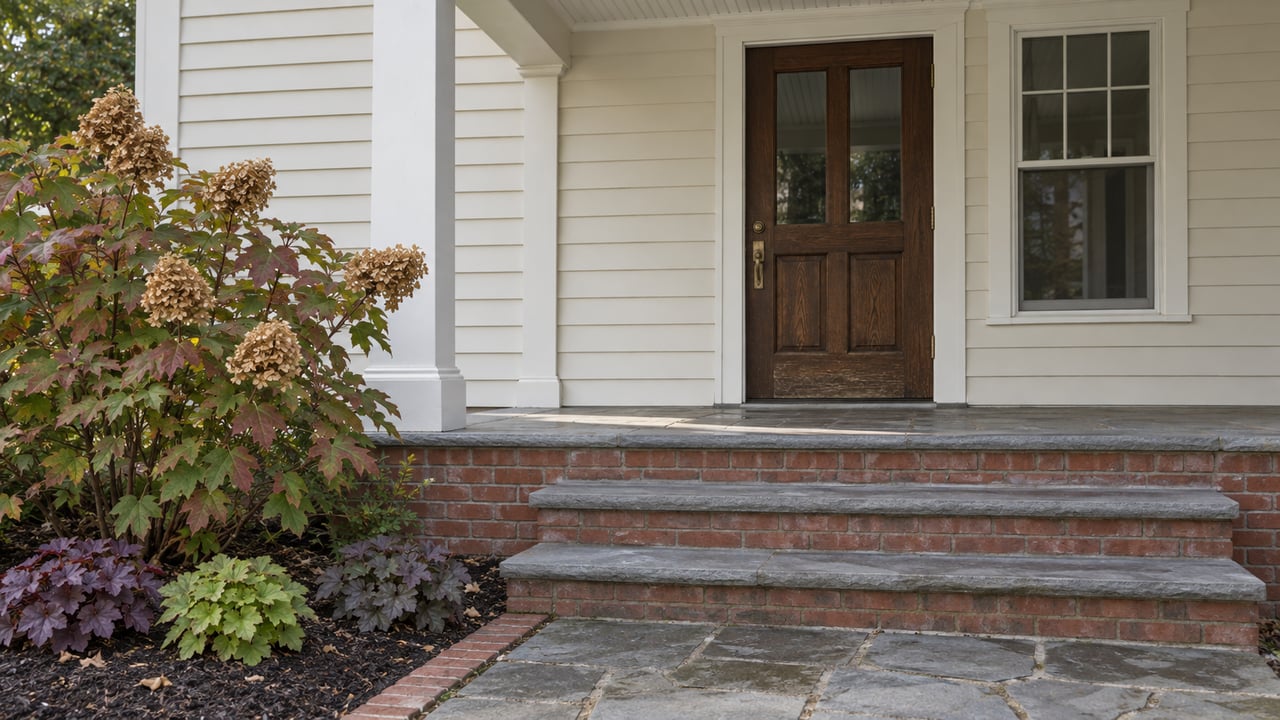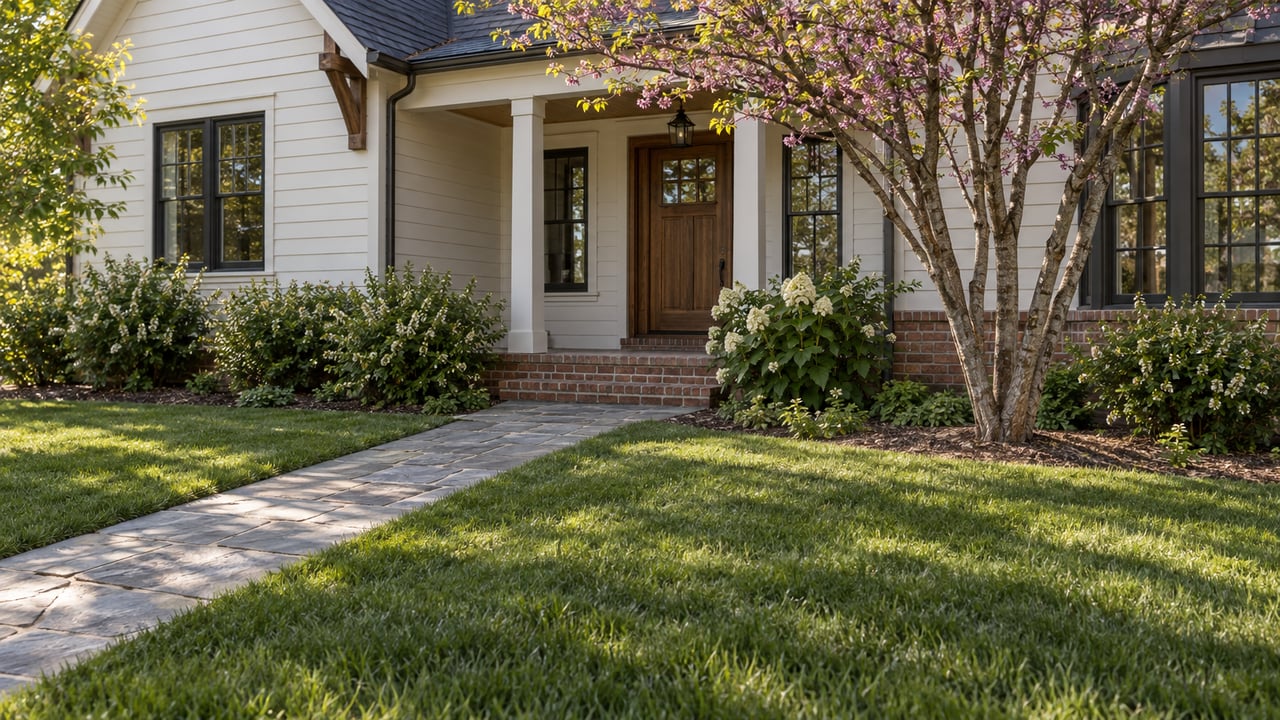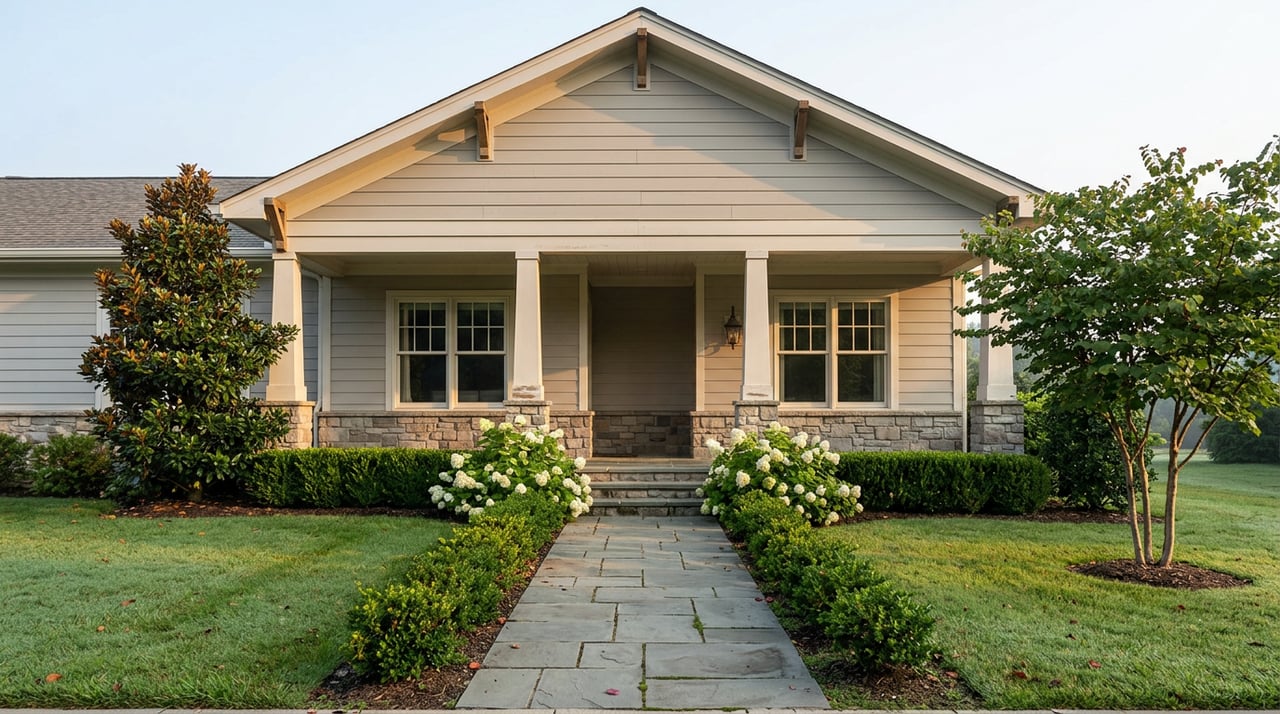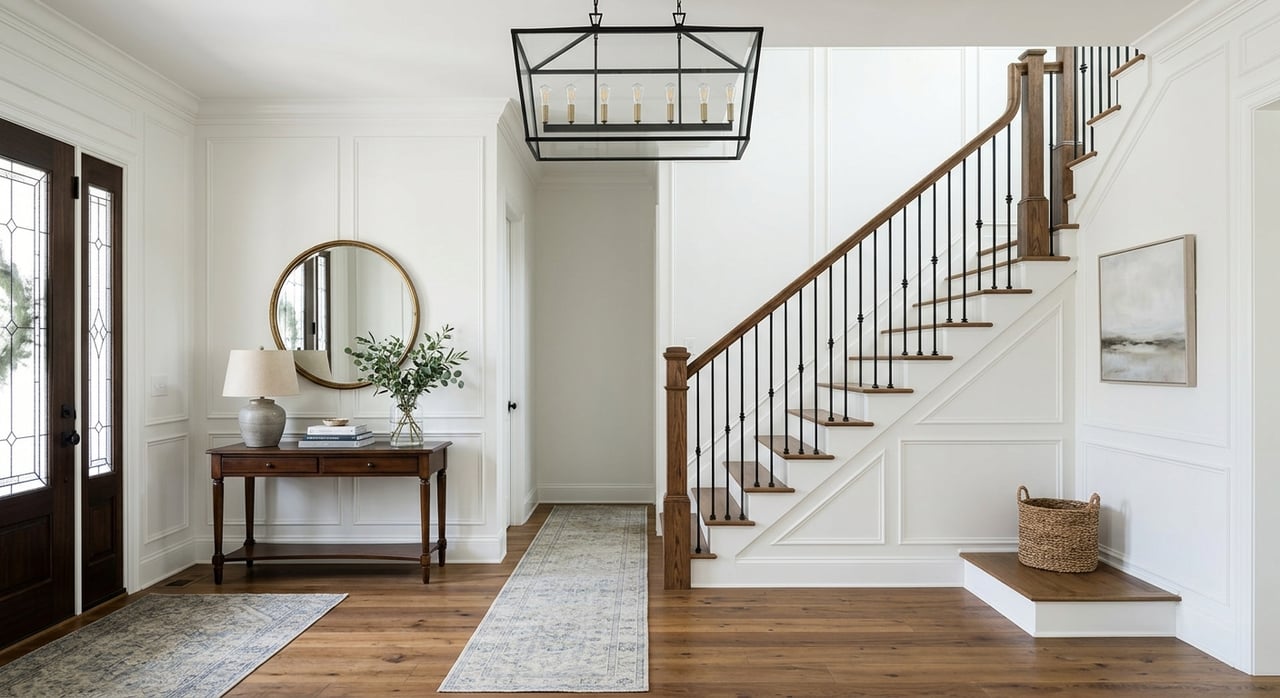
Relocating buyers often make a decision about your home before they ever set foot in Greenville. When someone is moving from another state, they are not just judging finishes or square footage. They are trying to picture daily life, sort through local details from a distance, and decide whether your home feels easy to understand and easy to trust. If you want to attract serious out-of-state buyers, a little extra preparation can make a big difference. Let’s dive in.
Why out-of-state buyers shop differently
An out-of-state buyer usually has less time, fewer chances to visit, and more questions than a local buyer. They may be comparing Greenville to several other cities at once while also managing a job change, school planning, or a long-distance move.
That means your home needs to do more than show well in person. It needs to communicate clearly through photos, video, written details, and follow-up information so a buyer can feel confident from afar.
Focus on a clean, easy-to-read presentation
When buyers are viewing homes remotely, clarity matters. According to NAR’s 2025 Profile of Home Staging, 83% of buyers’ agents said staging makes it easier for buyers to visualize a future home, and buyers’ agents said photos, videos, and virtual tours were important parts of the decision process.
For you as a seller, that supports a simple goal: make your home easy to picture living in. Clean rooms, lighter styling, and less visual clutter help remote buyers understand the space faster and with less guesswork.
Start with the most important rooms
If you are deciding where to spend your time and effort, begin with the rooms buyers tend to notice most. NAR’s staging data points to the living room, primary bedroom, and kitchen as the top priorities.
That does not mean every room needs to look perfect all at once. It means the spaces that shape first impressions should feel polished, open, and functional in both photos and in-person showings.
Declutter and depersonalize
Out-of-state buyers need to imagine their own life in the home. Too many personal photos, collections, bold niche decor choices, or crowded surfaces can make that harder.
Try to simplify shelves, counters, and furniture layouts. A calmer look helps rooms feel larger, brighter, and easier to understand on a screen.
Build a listing that works from a distance
A remote buyer often studies a listing more carefully than a local buyer. They may zoom in on photos, replay videos, and compare room layouts before deciding whether a trip to Greenville is worth it.
That is why strong listing media and useful property details matter so much. The goal is to reduce uncertainty and answer questions before a buyer has to ask.
Include measurement-friendly visuals
Remote buyers want help understanding how the home lives day to day. Wide, clear images are useful, but so are practical visuals that show closet depth, pantry storage, garage capacity, yard use, and room flow.
If possible, your listing should also make space for floor plans, room-by-room notes, and close-up shots of finishes, systems, and outdoor features. Those details help buyers judge fit without being physically present.
Use video to create confidence
Video can be especially helpful for relocation buyers because it gives a better sense of movement, scale, and connection between spaces. A live or recorded video walkthrough can answer questions that still photos often cannot.
For a brand like Patrick Toates, this is a natural fit. Patrick’s digital-first approach, property video focus, and neighborhood-specific content are well aligned with the way remote buyers narrow their options before traveling.
Be ready for the questions remote buyers ask first
Out-of-state buyers usually move quickly from appearance to logistics. Once they like the home, they want to know how the property works, what ownership costs may look like, and what daily life around the home could involve.
Sellers who prepare those answers in advance often create a smoother experience. It also signals transparency, which builds trust early.
Have home records ready
NAR notes that buyers can feel remorse when surprise property issues show up later, and its inspection guidance describes inspections as a critical part of the buying and selling process. For a remote buyer, unknowns can feel even riskier.
Before showings begin, gather anything that helps explain the home’s condition and upkeep. That may include roof age, HVAC service history, crawlspace or basement notes, repair receipts, warranties, and recurring maintenance information.
Clarify what stays and what goes
A buyer visiting from out of state does not want confusion after making a trip or writing an offer. It helps to prepare a short summary of what is included with the sale and what will be excluded.
This can be especially useful for appliances, window treatments, mounted televisions, storage systems, outdoor equipment, and any specialty fixtures. Clear expectations now can prevent frustration later.
Prepare utility and HOA information
Monthly costs matter to relocation buyers who are building a new budget. If your property has utility patterns, HOA dues, or neighborhood requirements, have that information organized and easy to share.
You do not need to overwhelm buyers with paperwork upfront. A concise, accurate summary can go a long way when someone is comparing homes from another state.
Help buyers understand Greenville practically
A beautiful home gets attention, but relocation buyers also want context. They are trying to understand what it may feel like to live in Greenville, move around the area, and spend time near the home.
This is where local framing matters. Instead of vague claims, focus on practical information and nearby lifestyle features that a buyer can use.
Highlight local access points
Greenville’s official visitor materials emphasize downtown landmarks and destinations such as Main Street, Falls Park on the Reedy, RiverPlace, the West End, the Peace Center, and the city’s restaurant, arts, and event scene. Official local materials also highlight the Swamp Rabbit Trail as a multi-mile trail network connecting downtown with parks and other local destinations, including places like Cleveland Park, Unity Park, Furman University, Travelers Rest, and Conestee Nature Preserve.
For your home, that means proximity to downtown access, park access, or trail access may be worth explaining clearly. Buyers from out of town often do not know how these local features connect, so specific orientation is helpful.
Create a simple neighborhood packet
A relocation packet can make your home easier to evaluate after a short visit. It translates local details into a practical format buyers can revisit once they are back home.
A useful packet may include:
- Official school lookup instructions and district contact information
- A note that school assignment is address-based and subject to change
- The property’s tax district information
- Vehicle property tax basics for South Carolina moves
- Homestead exemption basics for future primary residents who may qualify
- Brief notes on downtown, trail, and park access
- A contact list for follow-up questions after the visit
Address school questions carefully
School assignment is one of the most common questions relocation buyers ask. In Greenville County, the district uses an address-based lookup, notes that assignments are subject to change, and states that the current geocode lookup reflects the 2026-2027 school assignment year.
The safest approach is to provide the official lookup method rather than making broad promises. That keeps your information accurate and gives buyers a reliable next step.
Be specific about property taxes
Taxes can be confusing for out-of-state buyers because local rules may be very different from what they know. In Greenville County, millage rates vary across 136 tax districts, so estimates should be tied to the property’s actual district rather than discussed as a simple city-wide number.
This is one of those details that can either create confidence or create doubt. If you can present district-specific information clearly, buyers will feel like they are getting a more complete picture.
Mention vehicle taxes and homestead basics
For buyers planning a move to South Carolina, even related ownership costs can matter. Greenville County says vehicle property taxes must be paid before registering a vehicle in South Carolina, and vehicle taxes are paid twelve months in advance.
It can also help to mention that Greenville County’s homestead exemption may reduce taxes on the first $50,000 of taxable market value for qualifying homeowners who are age 65 or older, totally and permanently disabled, or legally blind, after one calendar year of South Carolina legal residency. This may not apply to every buyer, but for the right household, it is useful future planning information.
Make showings easier across time zones
Remote buyers do not always shop on a local schedule. A buyer flying in for one day, or touring virtually from another time zone, may need more flexibility than a traditional local showing.
If you are preparing your home for this audience, try to keep the property show-ready and allow showing windows that support long-distance coordination. A little flexibility can widen your buyer pool and help serious prospects act faster.
Why this matters in Greenville
Greenville continues to appeal to relocation buyers who want a mix of neighborhood character, downtown energy, outdoor access, and practical convenience. But those buyers often have limited time to learn the area.
That is why preparation matters so much here. When your home is well presented and paired with useful local information, you make it easier for buyers to picture not just the house, but their life in Greenville.
If you are thinking about selling and want your home positioned for relocating buyers, working with a local expert who understands digital marketing, neighborhood context, and the questions out-of-state buyers ask can give you a real edge. Patrick Toates brings Greenville roots, relocation insight, and a video-forward approach that helps your home connect with buyers before they ever arrive.
FAQs
How should you stage a Greenville home for out-of-state buyers?
- Focus first on the living room, primary bedroom, and kitchen, then declutter and depersonalize so the home feels easy to understand in photos, video, and virtual tours.
What information should you prepare for relocation buyers in Greenville?
- Have utility details, HOA information, maintenance records, repair history, warranties, and a clear list of included and excluded items ready before showings begin.
How can you answer school questions for a Greenville home sale?
- Share the official Greenville County Schools address-based lookup instructions and note that assignments are subject to change.
What should out-of-state buyers know about Greenville property taxes?
- Property tax estimates should be based on the home’s specific tax district because Greenville County millage rates vary across 136 tax districts.
Why do video and virtual tours matter for Greenville relocation listings?
- Remote buyers often rely on photos, videos, and virtual tours to decide whether a home fits their needs before making a trip, so strong visual marketing helps reduce uncertainty and increase confidence.